GUNS AND HOWITZERS
Guns and howitzers are
the weapons most people think about when Civil War artillery is discussed.
These weapons were usually formed in batteries - that is, a group of six
weapons (at least in the Union Army). At the beginning of the war, a battery
contained four guns and two howitzers. A
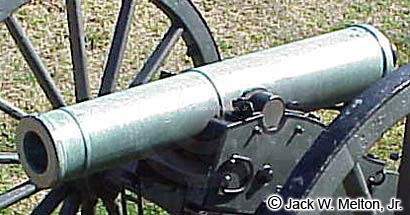 6-pounder battery usually contained
four 6-pounder guns and two 12-pounder
howitzers, and a 12-pounder battery would be made up of four 12-pounders
and two 24-pounder howitzers. Four-gun batteries were also common,
especially in the Confederate Army.
6-pounder battery usually contained
four 6-pounder guns and two 12-pounder
howitzers, and a 12-pounder battery would be made up of four 12-pounders
and two 24-pounder howitzers. Four-gun batteries were also common,
especially in the Confederate Army.
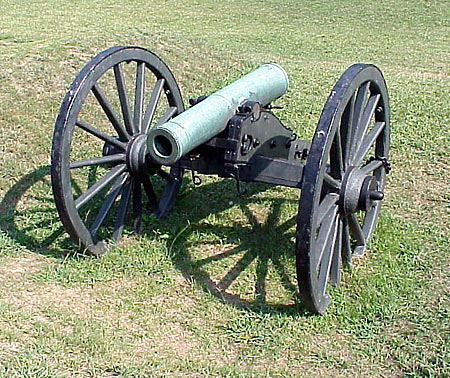
Several batteries were often placed together in line to form a deadly defensive position. As the enemy troops advanced towards these batteries the guns would belch forth case shot (shells with lead or iron balls inside) and shrapnel shells. The prospect of being wounded or killed caused many soldiers to run or try to find a hiding place. Many veteran troops would throw themselves to the ground just as the weapons to their front fired. Once the weapons had been discharged, these troops would rise up and rush towards the guns hoping to capture the crew before they could reload. Since most proficient crews could fire two rounds per minute, the troops could find themselves hugging the ground several times.
Guns and howitzers differed in several aspects. A gun was a
long-barreled, heavy weapon which fired solid shot at long range with a low
degree of elevation using a large powder charge. A howitzer
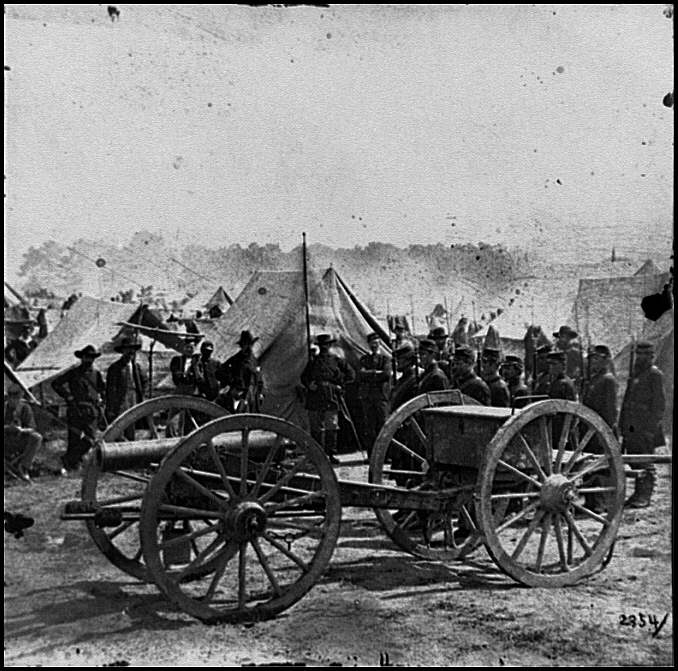 had a shorter
barrel and could throw shots or shells at a shorter range but at higher
elevation with smaller powder charges. Howitzers
were lighter, more maneuverable weapons than guns.
had a shorter
barrel and could throw shots or shells at a shorter range but at higher
elevation with smaller powder charges. Howitzers
were lighter, more maneuverable weapons than guns.
At the outbreak of the Civil War, most artillery guns were smoothbore. Soon after hostilities opened the two forces began the task of re-boring and rifling the old smoothbores in order to accommodate the new ammunition being developed.
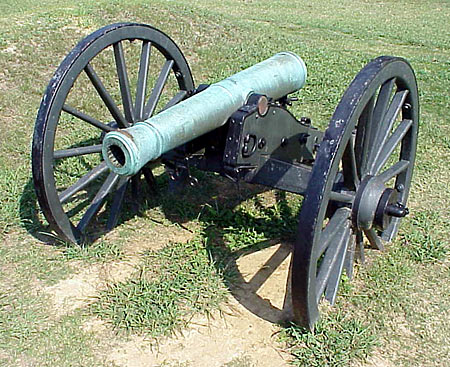
Guns and howitzers were usually designated by the year in which a particular model was designed or improved. Thus, a particular weight weapon may have many different model designations.
The Federals produced bronze 6-, 9- (fewer than thirty 9-pounders were produced), and 12-pounders for field use; iron 12-, 18-, and 24-pounders for siege and garrison use; iron 32- and 42-pounders for seacoast defense; and iron 32-, 42-, and 64-pounders for navy use. The Confederates produced iron 6-pounders and bronze (later iron when bronze became scarce) 12-pounders, both for field use.
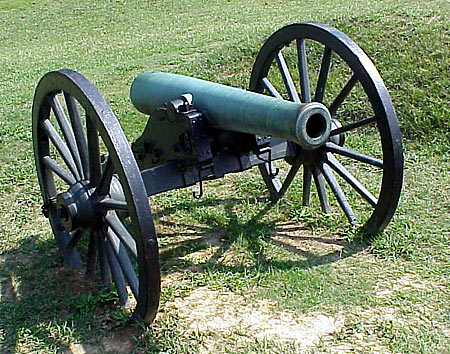
The most popular and dependable gun was the Model
1857, commonly called Napoleon (named after the French emperor Louis
Napoleon who supported development of the design). This 12-pounder
smoothbore was effective, reliable, and easily maneuvered. It had a
range of 1,600 yards at five-degrees elevation and for best effect was
probably around 1,200 yards. The Confederate army used many captured
Napoleons as well as developing their own copy. When bronze became
scarce in the South, the guns were cast of iron. Although the Napoleon is
listed here as a gun, it was also classified as a gun-howitzer because of
its shorter barrel and light weight.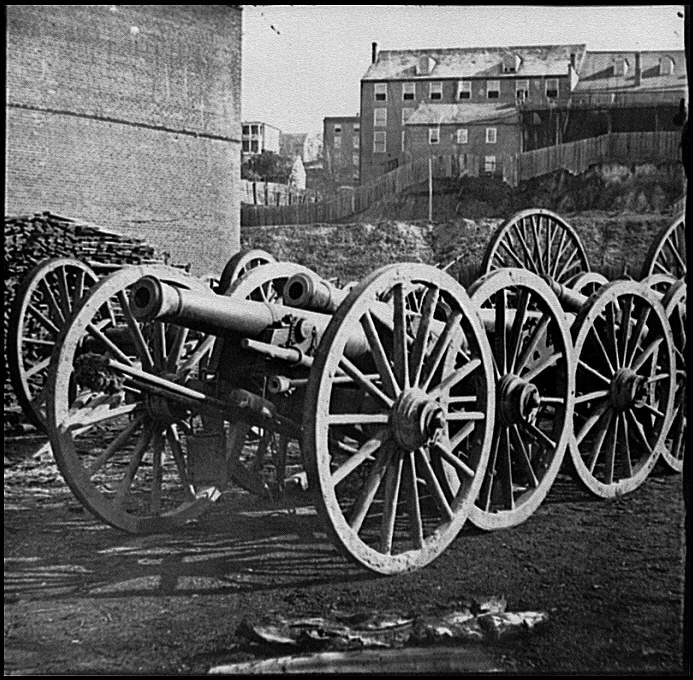
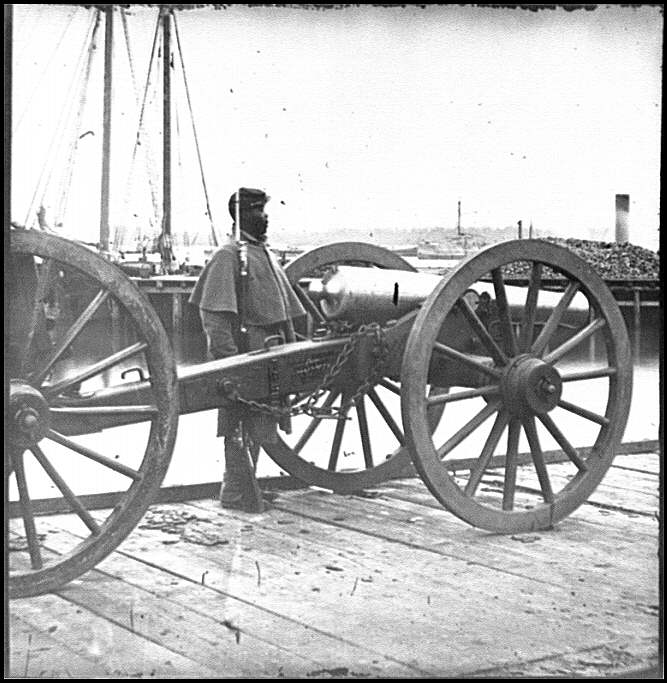
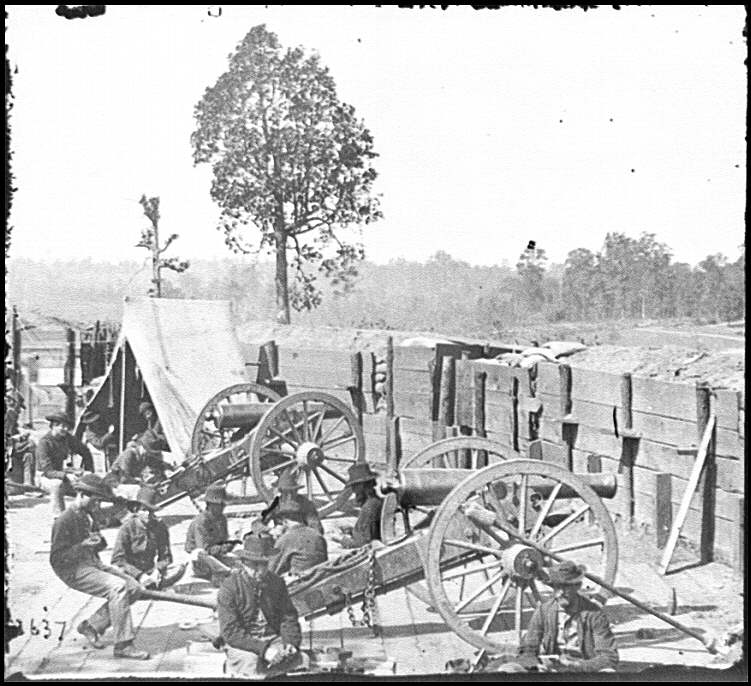
Other guns considered as standard, or common, weapons for the Civil War were the Model 1841 6-pounder field gun; Model 1841 32-pounder seacoast weapon; and the Model 1841 42-pounder seacoast gun.
Howitzers were originally developed in the near the turn of the 18th century. Most howitzers were smoothbore weapons, although many were rifled during the war as in the 3.4-inch Dahlgren Boat Howitzer. Howitzers produced by the Federals included bronze 12-, 24-, and 32-pounders for field use, iron 24-pounders and 8-inch for siege and garrison, and iron 8- and 10-inch for seacoast defense. The Confederates also produced iron 12-pounder and bronze 24-pounder field guns, and an iron 8-inch siege and garrison weapon.
The Model 1841 12-pounder was the standard field howitzer used in the Civil War. Because of its higher trajectory at which it was typically fired, it could fire a shell over 1,000 yards with less than one pound of powder.
MORTARS
Mortars were stubby weapons which fired heavy projectiles in a high arc. Only a small powder charge was needed to project the shot or shell to its maximum elevation.
When a mortar shell exploded, fragments weighing as much as ten or twenty
pounds could fall with extreme velocity on the enemy. Combatants and
non-combatants alike, became adapt at constructing bomb-proofs to protect
themselves from fragments and solid shot. Bomb-proofs were shelters
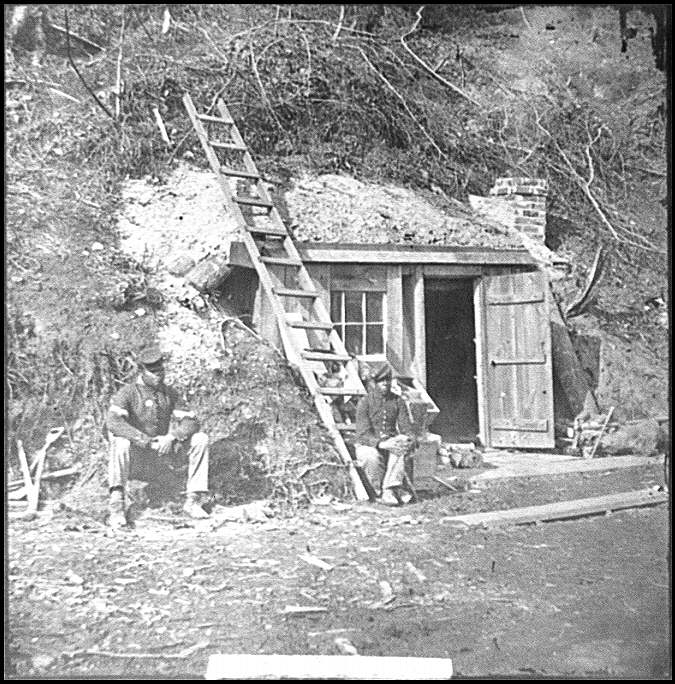 dug
into the side of a bank, away from the enemy, or constructed inside
breastworks as small huts with heavy
layers of dirt on the top side. The morale of a besieged city or of troops
waiting to go into battle was severely effected by a mortar attack.
dug
into the side of a bank, away from the enemy, or constructed inside
breastworks as small huts with heavy
layers of dirt on the top side. The morale of a besieged city or of troops
waiting to go into battle was severely effected by a mortar attack.
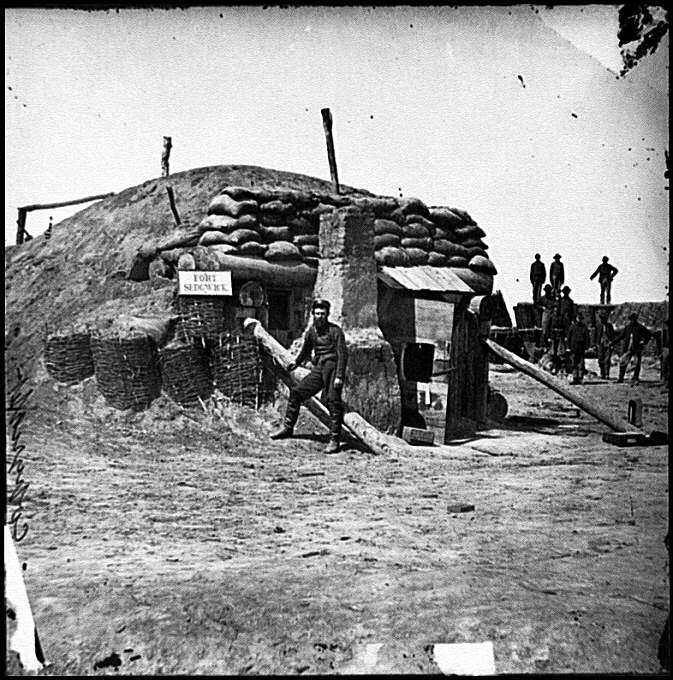
At night, the lighted fuzes of the shells were easily observed and the
path of the shell could be traced during flight. During the day, the muzzle
fire of a was difficult to detect since the weapons were masked from
view of the opposing forces by the topography (ravines, woods, hills, etc.)
of the battlefield. 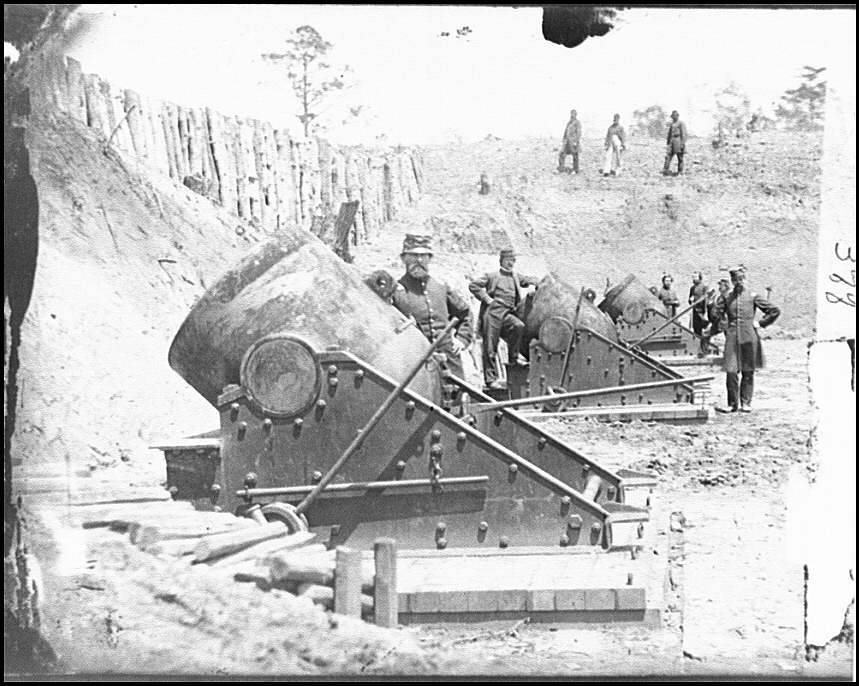 Mortars were most beneficial when the target was above
or below the level line of sight. These conditions caused elevation problems
for the long barreled weapons but allowed the short mortars to operate with
efficiency. Elevation adjustments were accomplished by means of a ratchet
and lever mechanism. Occasionally mortars were mounted on the decks of
ships, on special barges, or on railroad
flatcars.
Mortars were most beneficial when the target was above
or below the level line of sight. These conditions caused elevation problems
for the long barreled weapons but allowed the short mortars to operate with
efficiency. Elevation adjustments were accomplished by means of a ratchet
and lever mechanism. Occasionally mortars were mounted on the decks of
ships, on special barges, or on railroad
flatcars.
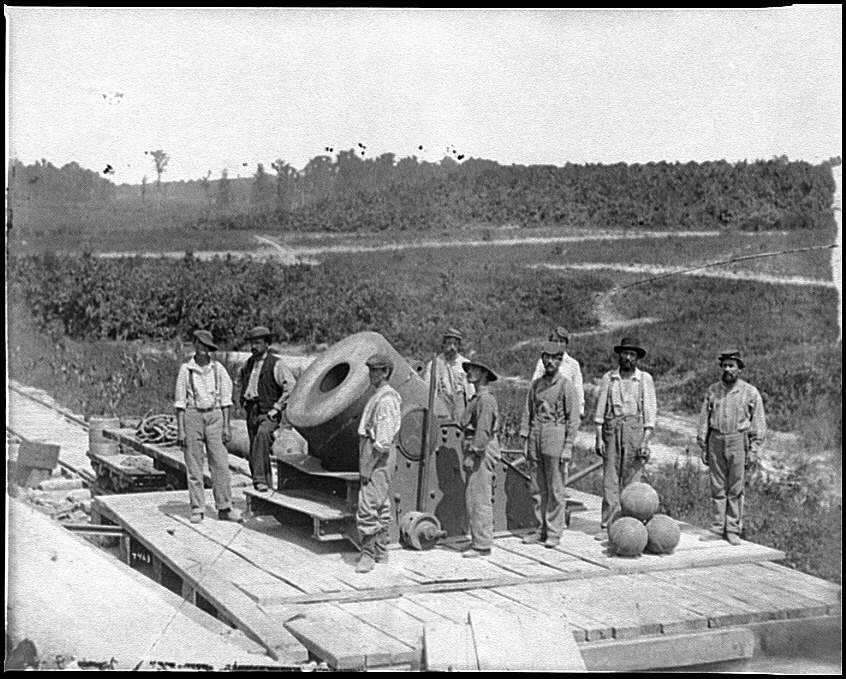
Most mortar projectiles can be recognized by tong holes, or tong ears, which are cast into the metal on either side of the fuze hole. This allowed the ball to be centered properly in the short tube.
Seacoast mortars were designated as 10- and 13-inch and were made of iron. Also known as heavy mortars, these weapons were primarily used for the defense of the rivers and coastal waterways. These mortars had a lug cast over the center of gravity to aid in mounting the heavy weapon.
Siege and garrison mortars were constructed to be light enough to be transported by an army on the march. They were also used in the trenches at sieges and in defense of fortifications. These 8- and 10-inch weapons were made of iron.
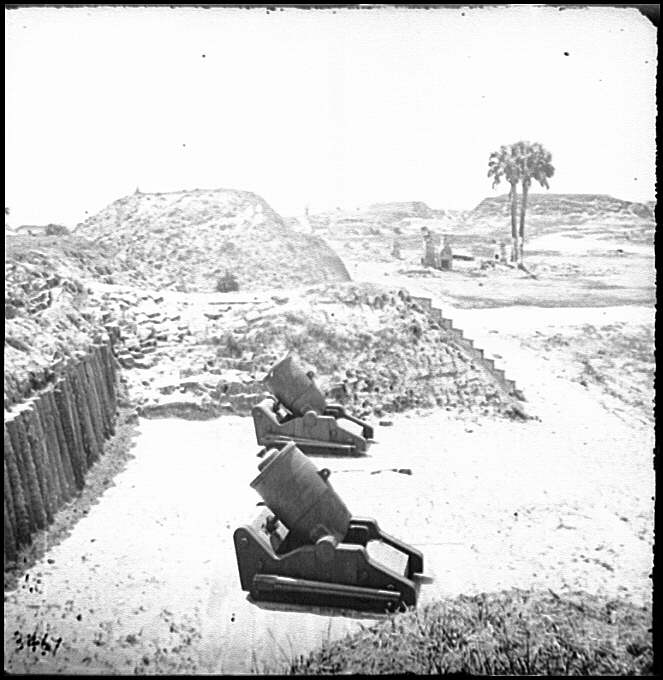
The familiar bronze Coehorn mortar was classified as a siege and garrison weapon. Named after its Dutch inventor, Baron Menno van Coehoorn (1641-1701), it was usually designated as 5.8-inch, but was also commonly referred to as a 24-pounder. The Coehorn was light enough to be carried by two men along the trench lines. The Confederates also produced a 12- and 24-pounder size made of iron.
COLUMBIADS
A Columbiad was a heavy iron artillery piece which could fire shot and shell at a high angle of elevation using a heavy powder charge. Columbiads were usually classified as seacoast defense weapons and were mounted in fortifications along the rivers and other waterways.
The original Columbiad, a 50-pounder, was invented in 1811 by Col. George Bomford and it was used in the War of 1812. Shortly afterwards it was considered obsolete and retired.
The weapon was produced again in 1844 in 8- and 10-inch models. In 1858, a version was produced which eliminated the chamber in the breech, which strengthened the gun. In 1861, Lt. Thomas J. Rodman, of the U.S. Ordnance Department, contracted with the Fort Pitt Foundry in Pittsburgh, Pennsylvania, to produce Columbiads using a special casting method he had developed in 1844. His process, which caused less stress on the gun during casting thereby preventing cracks from forming, was a success and the Columbiad became widely known as a Rodman gun.
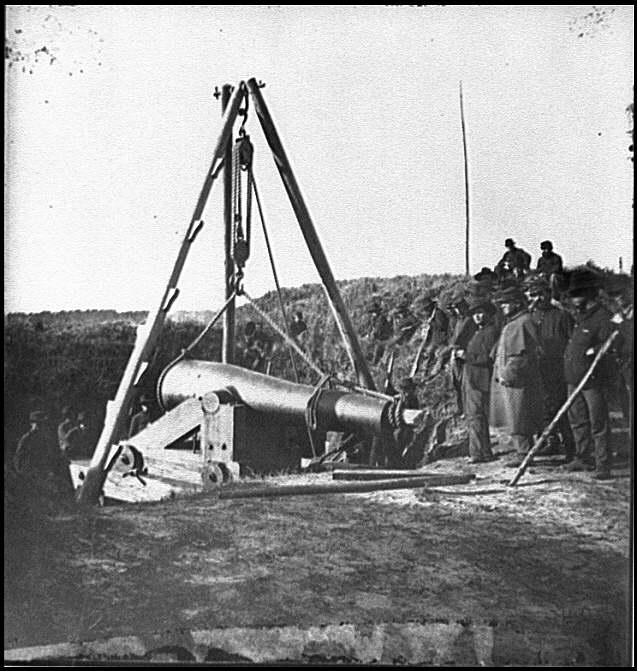
Columbiads were produced in 8-, 10-, 12-, 13-,
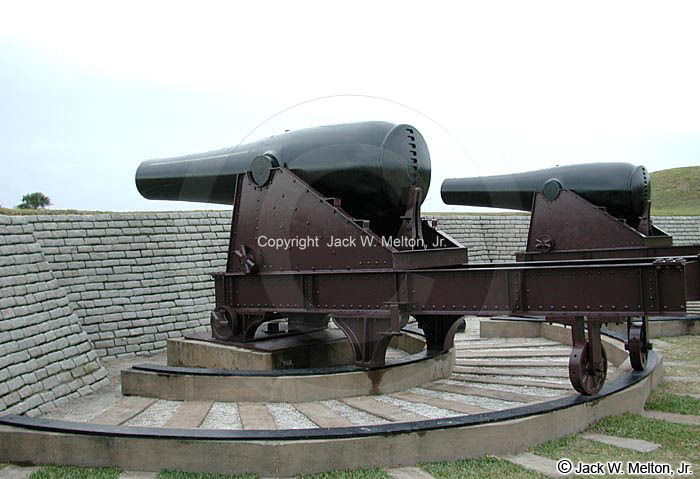 15-,
and 20-inch models and were primarily smoothbore even though a few rifled
models were turned out. The Confederates continued to produce their
Columbiads by the old method and experimented with banding and rifling the
weapon. Under this method, a Confederate Columbiad was capable of firing a
225-pound shot a distance of 1,800 yards.
15-,
and 20-inch models and were primarily smoothbore even though a few rifled
models were turned out. The Confederates continued to produce their
Columbiads by the old method and experimented with banding and rifling the
weapon. Under this method, a Confederate Columbiad was capable of firing a
225-pound shot a distance of 1,800 yards.
Compared to guns, howitzers, and mortars, the Columbiads saw very little action. By the end of the Civil War these heavy weapons were obsolete, replaced by more effective weapons which had been developed during the war.
OTHER CANNON
As has been stated earlier, the pre-Civil War era saw a great deal of experimentation and innovation both in the United States and in Great Britain. With the interest of the government renewed in obtaining the best possible weapons, many inventors were able to step forward and convince the ordnance department to give their weapons a fair trial. The Confederacy also shared this sense of immediacy.
The following weapons are those which were produced or used in large quantities during the conflict. Many other weapons were also developed but were produced in small numbers or were not commonly used and, therefore, are not included here.
PARROTT CANNON
One famous U.S.
inventor was a former West Point graduate and ordnance officer named Robert
Parker Parrott.
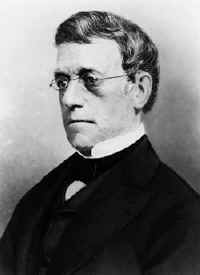 In 1836, Parrott resigned his rank of captain and went
to work for the West
Point Foundry at Cold Spring, New York. This foundry was a civilian
operated business and Parrott, as a superintendent, was able to dedicate
some forty years perfecting a rifled cannon and a companion projectile. By
1860, he had patented a new method of attaching the reinforcing band on the
breech of a gun tube. Although he was not the first to attach a band to a
tube, he was the first to use a method of rotating the tube while slipping
the band on hot. This rotation, while cooling, caused the band to attach
itself in place uniformly rather than in one or two places as was the common
method, which allowed the band to sag in place. The
In 1836, Parrott resigned his rank of captain and went
to work for the West
Point Foundry at Cold Spring, New York. This foundry was a civilian
operated business and Parrott, as a superintendent, was able to dedicate
some forty years perfecting a rifled cannon and a companion projectile. By
1860, he had patented a new method of attaching the reinforcing band on the
breech of a gun tube. Although he was not the first to attach a band to a
tube, he was the first to use a method of rotating the tube while slipping
the band on hot. This rotation, while cooling, caused the band to attach
itself in place uniformly rather than in one or two places as was the common
method, which allowed the band to sag in place. The
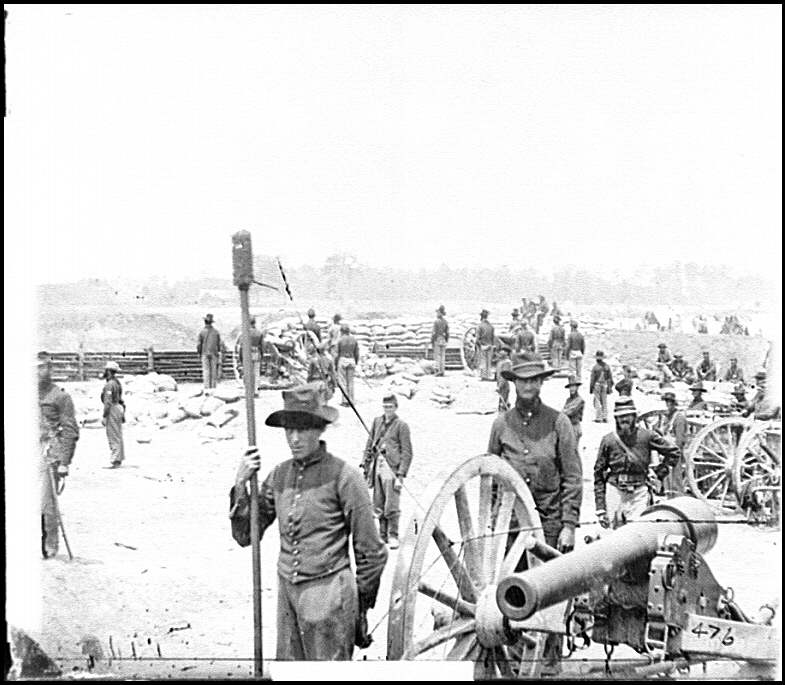 10-pounder
Parrott was patented in 1861 and the 20-
and 30-pounder guns followed in 1861. He quickly followed up these patents
by producing 6.4-, 8-, and 10-inch caliber cannons early in the war. The
Army referred to these as 100, 200,
and 300-pounder Parrotts respectively. By the end of the conflict the
Parrott gun was being used extensively in both armies.
10-pounder
Parrott was patented in 1861 and the 20-
and 30-pounder guns followed in 1861. He quickly followed up these patents
by producing 6.4-, 8-, and 10-inch caliber cannons early in the war. The
Army referred to these as 100, 200,
and 300-pounder Parrotts respectively. By the end of the conflict the
Parrott gun was being used extensively in both armies.
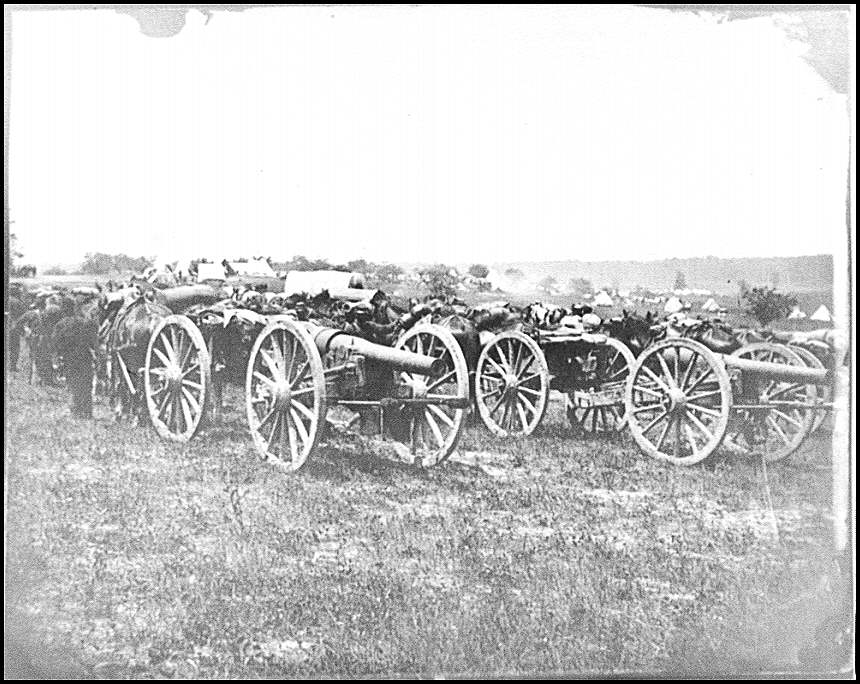
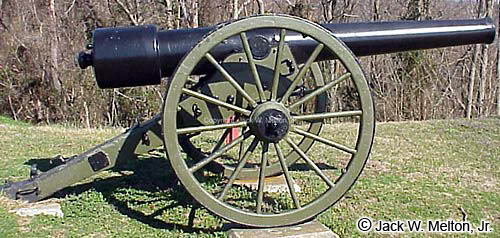
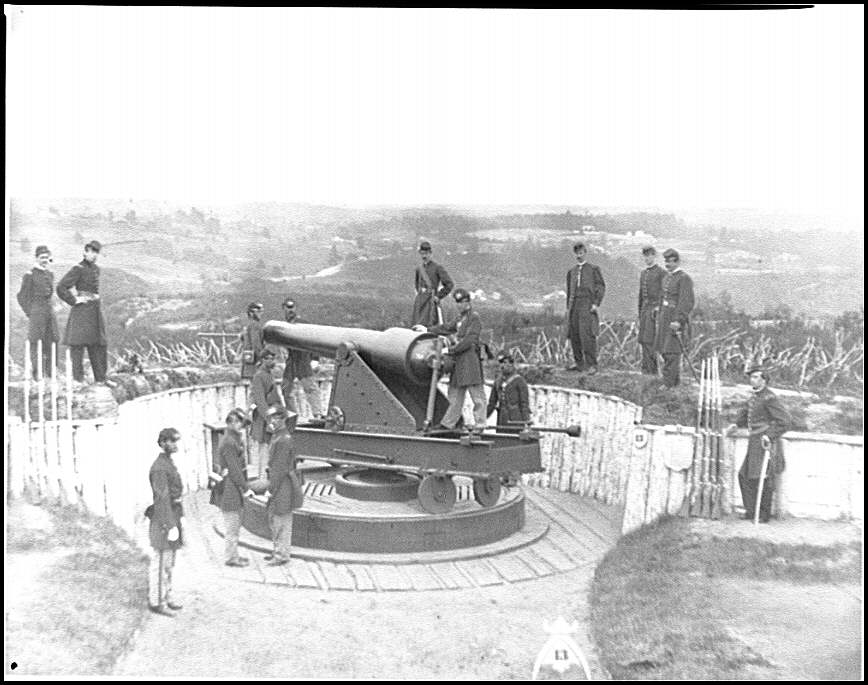
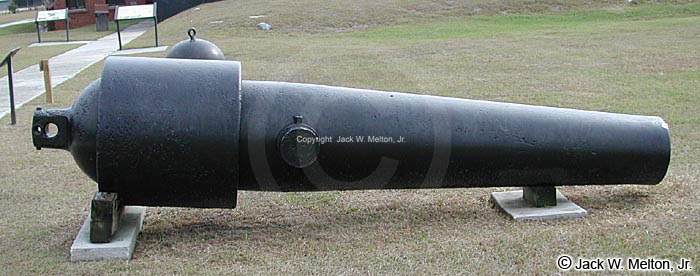
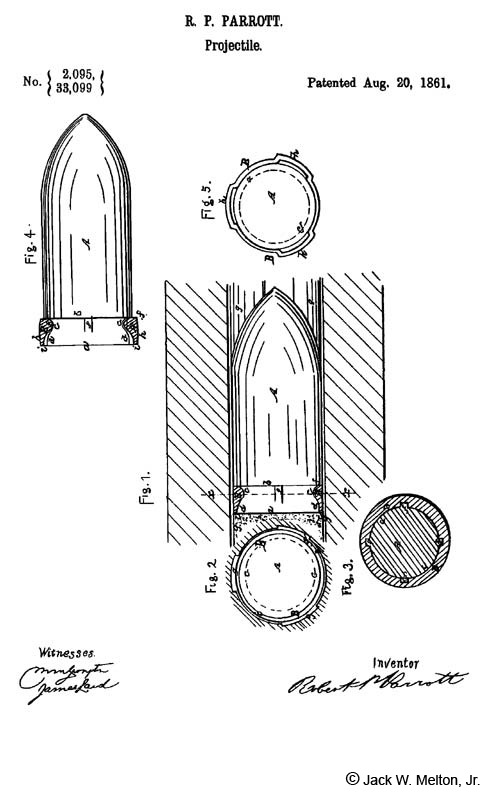
Parrott's name is also associated with the ammunition fired by his cannon. The elongated Parrott projectile employed a sabot made of wrought iron, brass, lead or copper that was attached to the shell base. When the projectile was fired, the sabot expanded into the rifling of the tube. In 1861 Parrott patented his first projectile with the sabot cast on the outside of the projectile.
3-INCH WROUGHT IRON RIFLE
(ALSO CALLED THE ORDNANCE RIFLE)
The Model 1861 3-inch
wrought iron rifle,
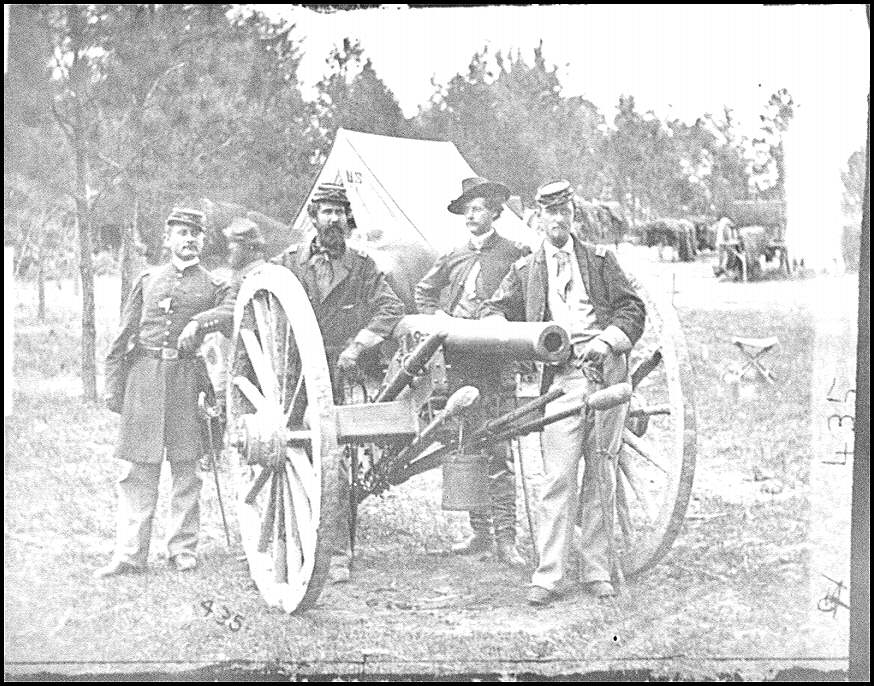 sometimes called an Ordnance rifle, was also a
common weapon. The original design was patented in 1855 and was not quite
what we know as the ordnance rifle; there was an evolutionary process both
in achieving the final smooth profile of the piece, and the wrought iron,
wound and welded in criss-crossing spirals in the original patent, was
apparently done in sheets or plates for the final form of the gun. The
Ordnance Rifle was manufactured at the Phoenix Iron Company in Phoenixville,
Pennsylvania. It was adopted by the Federal Ordnance Department in early
1861. Other versions of this weapon were produced in 1862 and 1863 by
different companies, but this is the only weapon officially known as the
Ordnance gun. The Confederates also produced their own version of this gun.
sometimes called an Ordnance rifle, was also a
common weapon. The original design was patented in 1855 and was not quite
what we know as the ordnance rifle; there was an evolutionary process both
in achieving the final smooth profile of the piece, and the wrought iron,
wound and welded in criss-crossing spirals in the original patent, was
apparently done in sheets or plates for the final form of the gun. The
Ordnance Rifle was manufactured at the Phoenix Iron Company in Phoenixville,
Pennsylvania. It was adopted by the Federal Ordnance Department in early
1861. Other versions of this weapon were produced in 1862 and 1863 by
different companies, but this is the only weapon officially known as the
Ordnance gun. The Confederates also produced their own version of this gun.
This weapon could accurately fire Schenkl and Hotchkiss shells approximately 2,000 yards at five degrees elevation, using a one pound charge of powder. The Hotchkiss shell was the most common projectile fired from the Model 1861. It was designed by Benjamin and Andrew Hotchkiss as a three piece shell - nose (containing the powder chamber), sabot (soft lead band fitting into an intention in the middle of the shell), and an iron forcing cup at the base (which forced the lead sabot to expand upon firing).
The other shell for this rifle was the Schenkl. This was a cone shaped projectile which employed ribs along the taped base. The sabot was made of papier-mâché' which was driven up the taper by the force of the gas produced upon firing. The sabot then expanded and caught the rifling in the tube.
This gun is sometimes erroneously referred to as a "Rodman." The process used by Thomas Rodman in casting the Columbiads was not used in producing the wrought iron barrel of the Ordnance gun. As far as can be determined, Rodman had nothing to do with the design or production of this gun.
BLAKELY RIFLE
A British army
officer, Captain Theophilus Alexander
Blakely, pioneered a banding system for his rifled cannon. With each
experiment of his design a different cannon was developed with the end
result of at least five, and possibly as many as ten, distinct types of
Blakely cannons were manufactured. 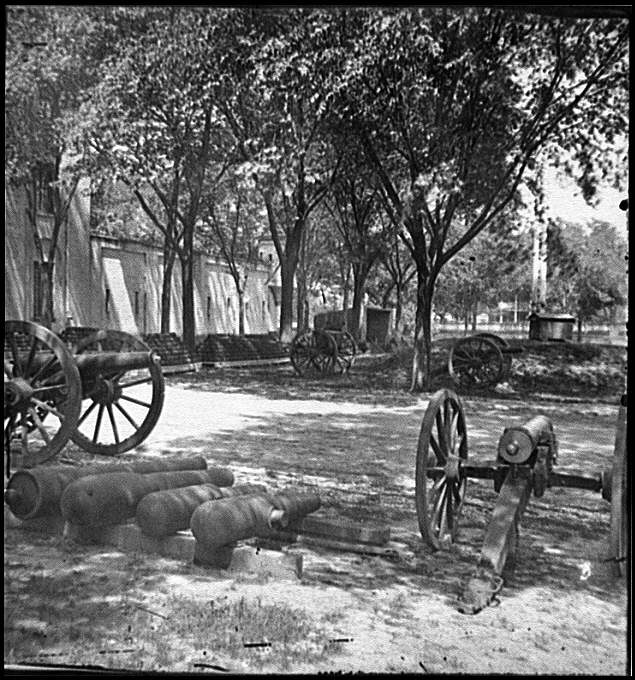 Blakely cannon are photographed in
the foreground of this image of the Charleston
Arsenal.
Blakely cannon are photographed in
the foreground of this image of the Charleston
Arsenal.
The 3.5-inch caliber, 12-pounder Blakely weapons were developed in nine varieties, with a tenth variation being a 10-pounder mountain piece. Most of these weapons were iron. Blakely rifles were also manufactured in 3.75-, 4.5- and 6.3-inch, and 100-, 120-, 150-, 200-, 250-, 375-, and 650-pounder sizes. Most were of iron, with the exception of the 375-pounder, which was made of semi-steel.
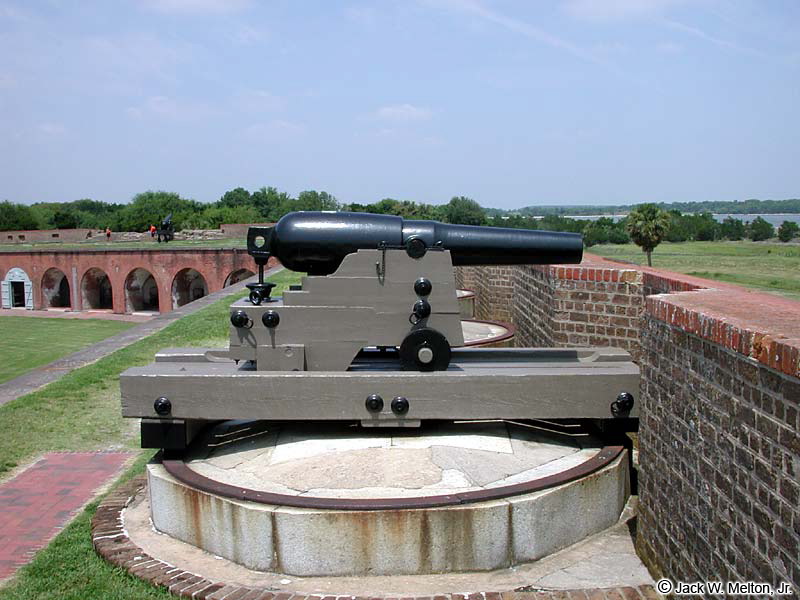
One famous Blakely rifle was "The Widow Blakely" that was used by the Confederates during the defenses of Vicksburg, Mississippi, in 1863.
WHITWORTH
In Manchester,
England, in the late 1850's, Sir Joseph Whitworth patented a system
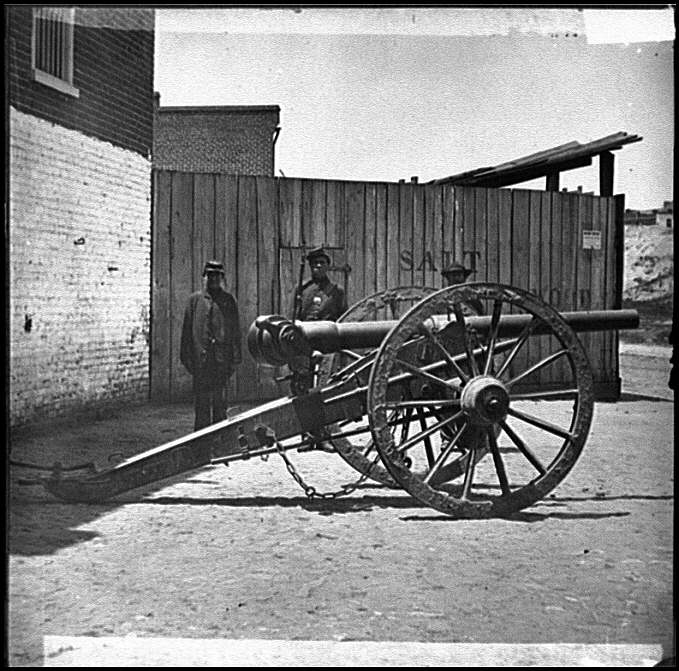 for
cannons (and small arms) which used a hexagonal bore design instead of the
usual rifling methods. The ammunition
also carried the hexagonal design in order to follow the bore, thus allowing
for better range and accuracy. Sir Whitworth manufactured his cannons in
both breech-loading and muzzle-loading
models. If the Whitworth breech-loader malfunctioned, it could very simply
be used a muzzle-loader on the battlefield.
for
cannons (and small arms) which used a hexagonal bore design instead of the
usual rifling methods. The ammunition
also carried the hexagonal design in order to follow the bore, thus allowing
for better range and accuracy. Sir Whitworth manufactured his cannons in
both breech-loading and muzzle-loading
models. If the Whitworth breech-loader malfunctioned, it could very simply
be used a muzzle-loader on the battlefield.
BROOKE GUN
Early in the war, John
M. Brooke, late of the U.S. Navy and now an ordnance officer in the
Confederate Navy, designed a banded cannon which was similar in appearance
to the Parrott, but was different in the number of bands wrapped around the
breech. The Brooke
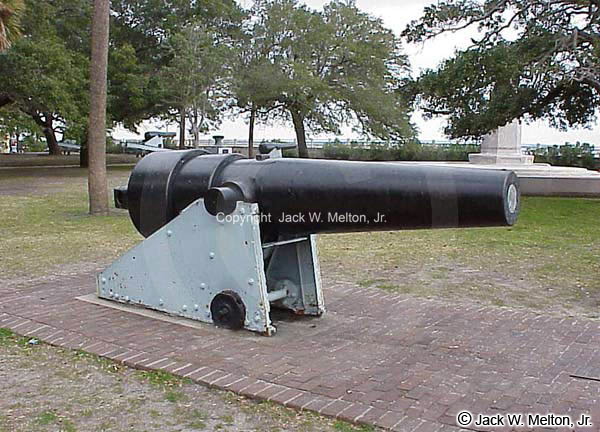 band consisted of several rings which were not welded together. Its rifling was similar to the Blakely gun and came in a number of
calibers, including 6.4-inch, 7-inch, 8-inch, and 11-inch. John Brooke's
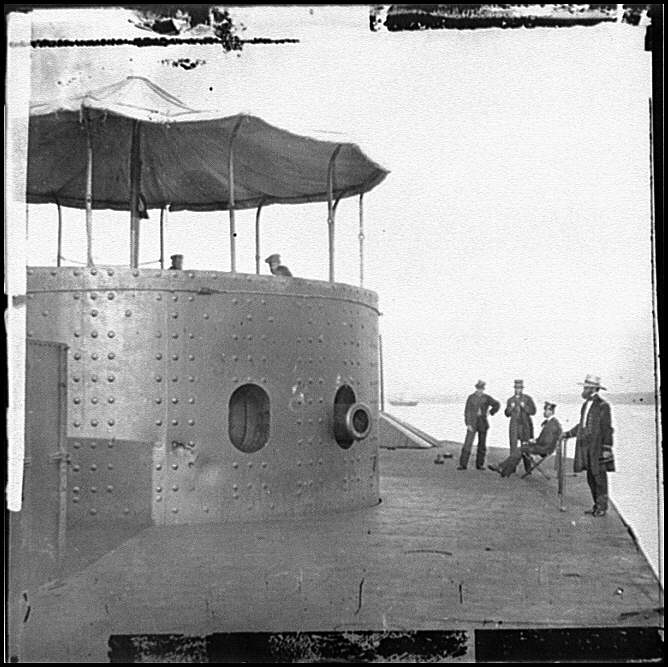
other claim to fame was the key role he played in designing the armor
plating used by the CSS Virginia (Merrimac) in the famous battle with the USS
Monitor.
band consisted of several rings which were not welded together. Its rifling was similar to the Blakely gun and came in a number of
calibers, including 6.4-inch, 7-inch, 8-inch, and 11-inch. John Brooke's
other claim to fame was the key role he played in designing the armor
plating used by the CSS Virginia (Merrimac) in the famous battle with the USS
Monitor.
DAHLGREN GUN
Dahlgren weapons are
usually divided into three groups - bronze boat howitzers and rifles, iron
smoothbores, and iron rifles. The designer, John A. B. Dahlgren
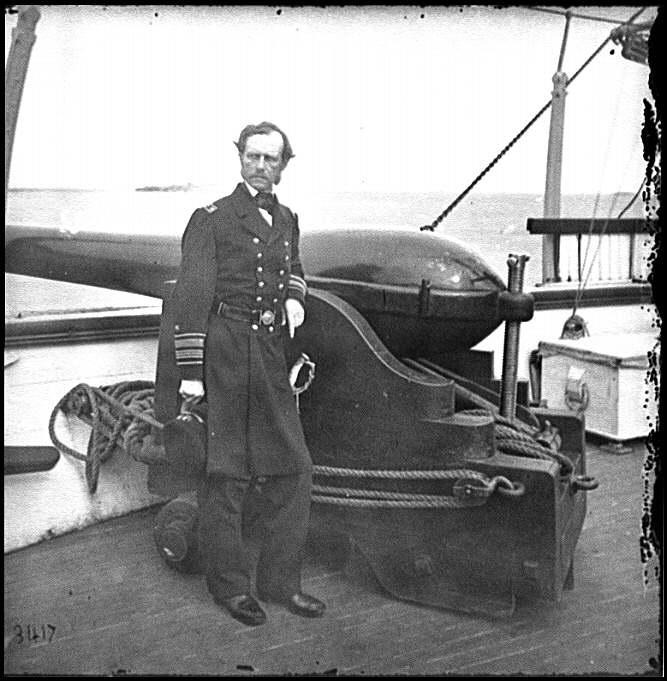 of the U.S. Navy, developed the weapons primarily for use
on small boats that patrolled the waterways. The necessity for these weapons
was demonstrated by the Navy's experience during the Mexican War when small
launches and other craft were assigned to patrol close to river and creek
banks.
of the U.S. Navy, developed the weapons primarily for use
on small boats that patrolled the waterways. The necessity for these weapons
was demonstrated by the Navy's experience during the Mexican War when small
launches and other craft were assigned to patrol close to river and creek
banks.
Dahlgren was a Lieutenant when he was assigned to the ordnance department at the U.S. Navy Yard. The first weapon systems were adopted by the Navy in 1850. These bronze 12- and 24-pounder pieces were specially designed for use on the small launches, but were also included on most naval vessels during the Civil War. His iron smoothbores were adopted in 1850 (9-inch gun) and 1851 (11-inch gun). Although these guns were designed for use against wooden ships, the iron-clad Monitor class ships carried two of these in their turrets. These weapons were later replaced by the 15-inch Dahlgrens in 1862.
By the end of the Civil War, John Dahlgren, now a Rear Admiral, was responsible for the development and design of 12-pounder boat howitzers in several weight classifications (small, medium, and light), 20- and 24-pounder howitzers (some, including the 12-pounders, were rifled); 30-, 32-, 50-, 80-, and 150-pounder rifles; and 8-, 9-, 10-, 11-, 13-, 15-, and 20-inch rifles.